

Fishing for Conch and Snapper on a Belize Tour
“We all enjoyed the fishing for conch and snapper.” That is how one guest described their day with us in a Google review, and it is a good summary of why this part of a trip is so popular. It turns a tour into a story you can tell: you did not only see the reef, you helped put lunch on the table.
If you are curious about how it works, this post explains it in plain language, including the part many visitors do not know: the rules that keep it sustainable.
Why fishing is part of life in Belize
Fishing has been part of life on the Belizean coast for generations. Many families, including Captain Amado’s family, come from fishing communities. Conch, lobster and fish like snapper are central to local food and to the local economy.
Because so many people depend on the sea, Belize regulates fishing carefully. Closed seasons, size limits and protected areas exist so that there is still something in the water for the next generation. A responsible fishing day on a tour follows these rules and teaches guests why they matter.
What are conch and snapper?
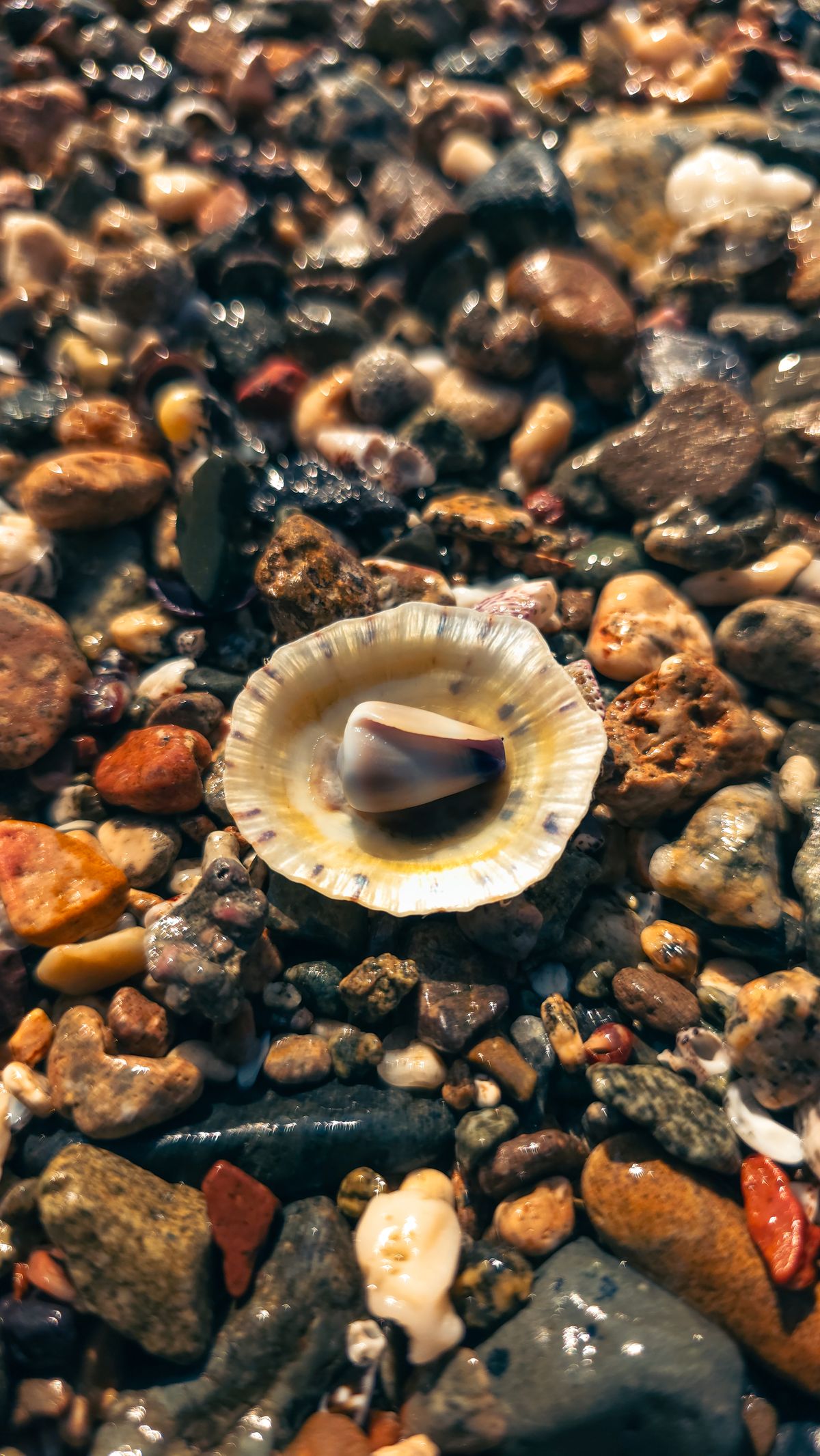
Queen conch is a large sea snail with a pink, spiral shell. It lives on sandy and seagrass areas of the shallow sea floor, and divers and snorkelers collect it by hand. The meat is a Belizean favorite and is used in ceviche, fritters, soups and stews.
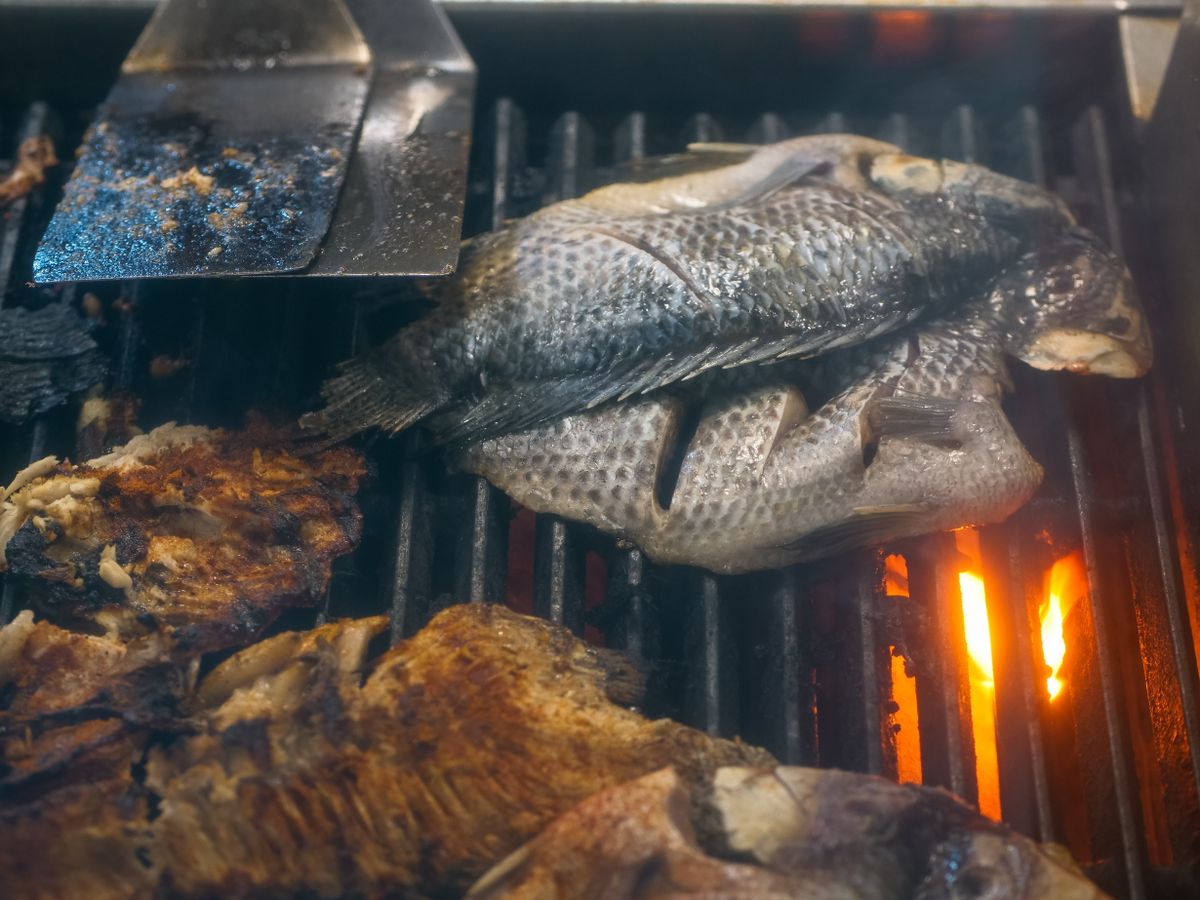
Snapper is a family of reef fish with firm, white, sweet-tasting flesh. It is often grilled or fried whole, or cooked in a stew with coconut.
Both are staples of island cooking, and both are best when they are very fresh.
How does it work on a tour?
Every trip is a little different, and it depends on the day, the weather and your guide’s plan. In general, you can expect something like this:
- The briefing. Your guide explains what can be taken, what must be left, and how to do it without harming the reef.
- The search. The guide takes the group to a place where fishing is allowed, away from the protected snorkel areas.
- The catch. Guests help where they can, with the crew’s guidance and care.
- The cooking. The crew prepares the catch for lunch, often as ceviche or grilled fish, with sides and drinks.
Because this is a hands-on part of the day, listen closely to your guide. They will tell you what to do and what to leave alone.
The rules that matter
Belize’s Fisheries Department sets the rules, and they apply to everyone, visitors included. These are the main ideas to understand.
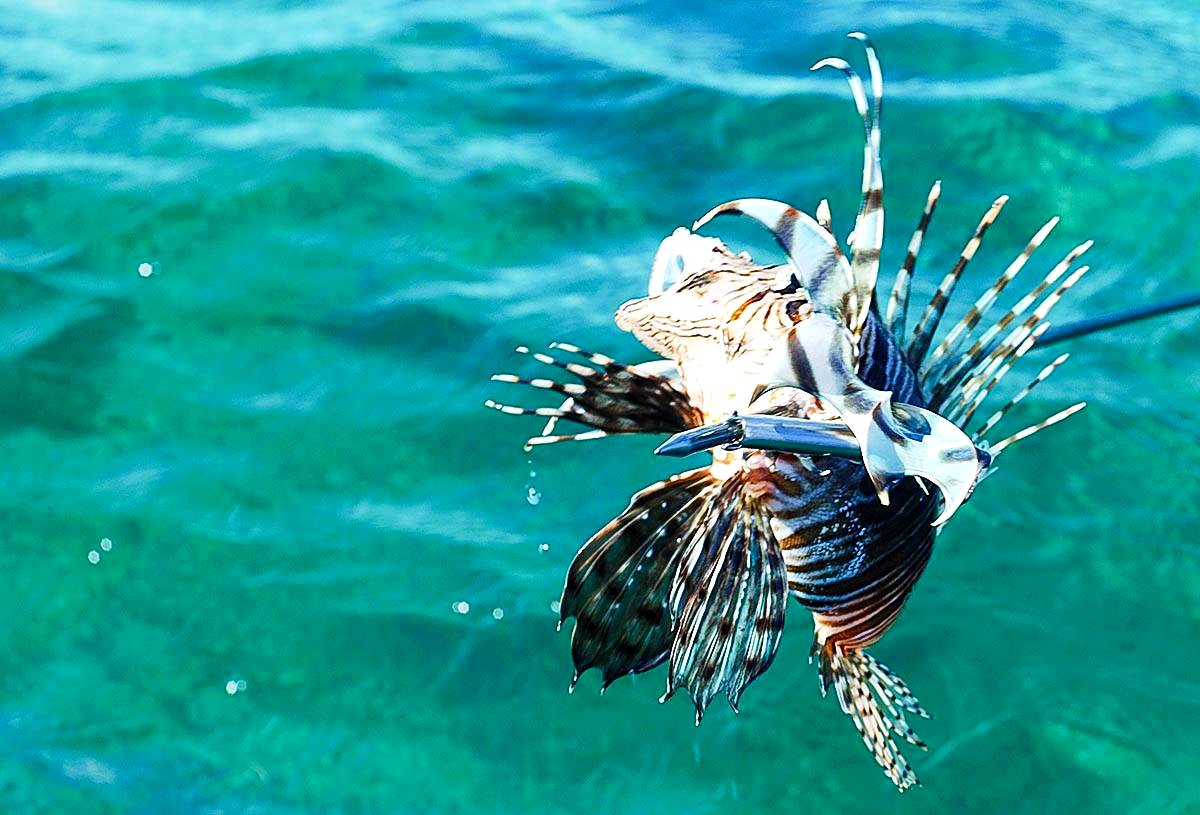
- Closed seasons. Queen conch has a closed season, which has usually run from July 1 to September 30, and the season can close earlier if the catch limit for the year is reached. Lobster has its own closed season, and the dates have been adjusted in recent years. Nassau grouper is protected during part of the winter.
- Size limits. Undersized animals must be left in the water.
- Protected areas. Marine reserves such as Hol Chan are protected, and fishing is not allowed in the protected snorkel areas.
- Possession. It is against the law to possess certain seafood during a closed season, even in a restaurant or a home.
The exact dates change, so we will not rely on a blog post to tell you. The simple rule is: fish with a licensed local guide who knows today’s regulations. That is the safest way to enjoy it and the best way to protect the sea.
How to fish responsibly
You can help look after the water by following a few habits.
- Only take what is allowed and what you will eat.
- Follow your guide’s instructions, every time.
- Do not touch or break coral, and keep your fins off the bottom.
- Do not take shells or other souvenirs from the sea.
- Ask questions. A good guide enjoys explaining why the rules exist.
This approach fits our name. The whole idea of “reef friendly” is that visitors can enjoy the sea and leave it healthy. You can read more about our approach in our post on exploring Caye Caulker’s marine life through eco-friendly tours.
What does a fresh lunch taste like?
If you have never eaten conch or snapper straight from the water, you are in for a treat. Fresh conch ceviche is bright and tangy, with lime, onion, tomato and pepper. Fried conch fritters are crisp on the outside and tender inside. Grilled snapper has a smoky, sweet flavor that a restaurant on land can hardly match.
If you do not eat seafood, or you have an allergy, tell us when you book so we can prepare something else.
What to wear and bring
- Swimsuit, a long-sleeve swim shirt and a hat
- Reef-safe sunscreen (our guide to reef-safe sunscreen in Belize explains what to look for)
- Water shoes if you like
- A towel and a dry change of clothes
- A waterproof pouch for your phone
Why a catch-and-cook day feels different
A normal restaurant lunch arrives on a plate. A lunch you helped catch comes with a story. You know where it came from, how it was prepared and what it took to get it. Many guests say that this changes how they think about seafood, because they see how much work and knowledge goes into it and why local families care so much about keeping the sea healthy.
It also connects you to Belizean food culture. Conch ceviche and grilled fish are everyday dishes in coastal villages, and eating them fresh, near the place they come from, is one of the most local experiences a visitor can have.
Questions to ask before you join
A responsible operator will be glad to answer these.
- Is fishing allowed where we are going today, and in this season?
- What exactly will we take, and what will we leave in the water?
- Who prepares the food, and can you cater for vegetarians or people with allergies?
- How long will we spend fishing compared with snorkeling?
- What should children and nervous swimmers know before they join in?
If an operator cannot answer these clearly, that is a sign to look elsewhere.
Combine it with a beach day
Fishing trips often pair well with a visit to a quiet island. If you like the idea of a day built around the sea, snorkeling and a beach lunch, read our guide to a Goffs Caye day trip from Caye Caulker. For the animals and coral, our Hol Chan snorkel tour is the classic choice.
Frequently asked questions
Do I need a license to fish on a Belize tour?
Your guide and operator are responsible for following the local rules. That is another reason to go with a licensed local guide rather than doing it on your own.
Is conch always in season?
No. Belize has a closed season for queen conch, which has usually run from July to the end of September, and it can close early if the catch limit for the year is reached.
Is it sustainable?
It can be, when it follows the rules, takes only what is allowed and happens outside protected areas. That is the approach we try to follow.
Can I fish inside Hol Chan Marine Reserve?
No. The snorkel areas of the reserve are for looking, not for taking.
Can children join in?
Often yes, with an adult close by. Ask us about your group when you book.
What if I do not eat seafood?
Tell us when you book, and we will help you plan your lunch.
Ask us about your day on the water
Every trip depends on the season and the sea, so the best way to know what is possible is to ask. Message us on WhatsApp at +501 624-2862 any day between 7 am and 7 pm, or see our tours.