
Reef-Safe Sunscreen for Belize: What to Buy and What to Avoid
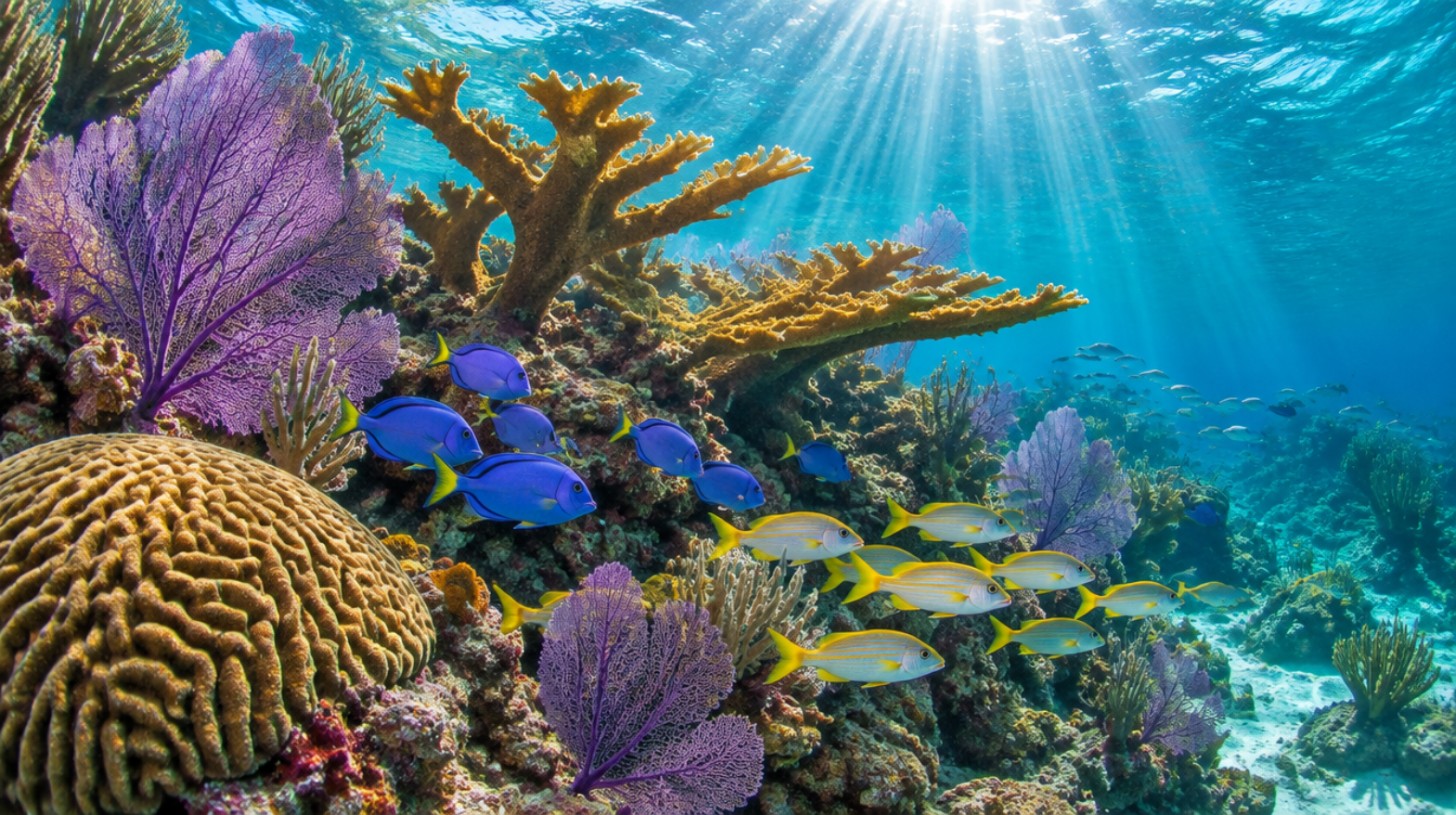
The Belize Barrier Reef is the second-largest in the world, and snorkelers and divers are among its most important visitors. Every visitor who gets in the water affects the reef a little. The good news is that one small choice, the sunscreen in your bag, can make a real difference.
This guide explains what to buy, what to avoid and how to stay protected without harming the coral.
Why sunscreen matters to the reef
When you swim, some of your sunscreen washes off. Multiply that by thousands of visitors, and a lot of chemicals end up in the water.
Studies have linked two ingredients in particular, oxybenzone and octinoxate, to coral bleaching and damage to young coral. Places such as Hawaii and Key West have banned the sale of sunscreens containing them. Other ingredients are also being studied, including octocrylene, homosalate and some parabens.
Belize has been working hard to protect its reef, and many local tour operators and eco-lodges now ask guests to use reef-friendly sunscreen. It is a simple way to help.
What “reef-safe” really means
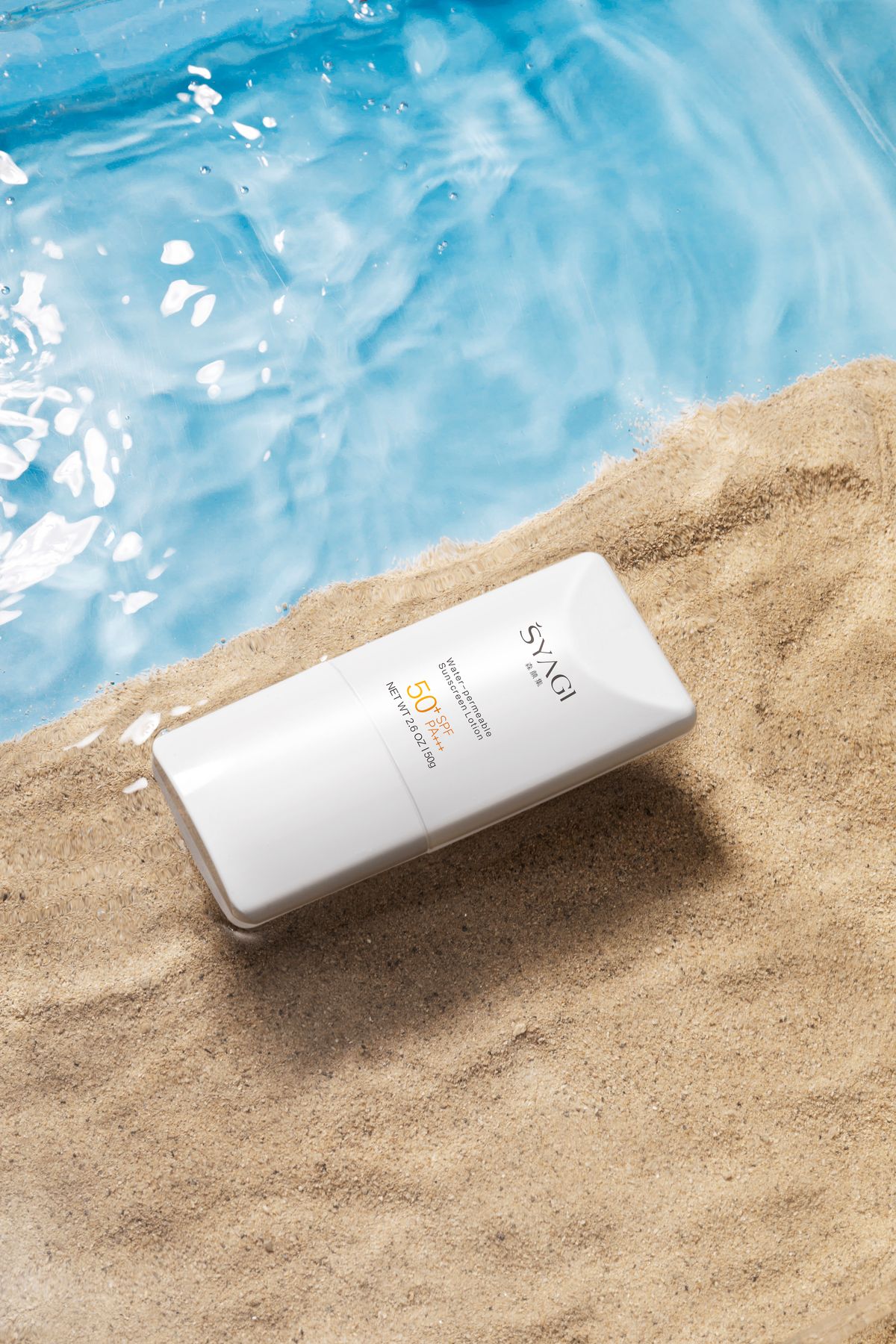
Here is something that surprises most people: the words “reef-safe” or “reef-friendly” on a bottle do not have an official meaning. No government agency controls them. A brand can print them on a product that still contains harmful chemicals.
So do not trust the front of the bottle. Read the ingredients on the back.
Even the best choices are not perfect. Scientists say no sunscreen has been proven completely safe for marine life, which is why the first protection should always be clothing and shade, and sunscreen should be the backup.
Ingredients to avoid
Check the label for these. If you see them, choose another product.
- Oxybenzone (also called benzophenone-3 or BP-3)
- Octinoxate
- Octocrylene
- Homosalate
- Octisalate
- Parabens (such as methylparaben and propylparaben)
- 4-methylbenzylidene camphor
- Nano-sized zinc oxide or titanium dioxide (tiny particles can be swallowed by marine animals)
What to look for
- Non-nano zinc oxide as the main active ingredient. Zinc is the ingredient most often recommended for reefs.
- “Mineral sunscreen” on the label, rather than “chemical”.
- Water-resistant. It stays on better and washes off less.
- Lotion or paste, not spray. Sprays drift onto sand and water, so a lot of the product never reaches your skin.
- Broad spectrum, SPF 30 or higher. Protects against both UVA and UVB.
Mineral sunscreen can leave a white film on your skin. That is normal, and it is a good sign that the zinc is doing its job.
Buy it before you travel
Reef-friendly sunscreen can be hard to find on the island, and when you do find it, it may cost more than at home. The easiest solution is to buy it before you leave and bring it with you. If you are already here, ask at your hotel or a local shop and read the ingredient list carefully.
How to apply it properly
- Apply early. Put it on at least 15 to 20 minutes before you get in the water, so it has time to dry and bind to your skin. Do it at your hotel, not on the boat or at the dock.
- Use enough. Most people use too little. Cover your face, ears, neck, shoulders, the tops of your feet and the backs of your knees.
- Do not forget your back. Ask a friend, or wear a swim shirt.
- Reapply after drying off. Especially after lunch, before the next snorkel.
- Wash your hands before you touch any equipment or the boat.
Protect yourself without sunscreen
The best sun protection on a reef day is clothing. It costs nothing, it never washes off, and it does not touch the water.
- Long-sleeve swim shirt or rash guard with UV protection
- Swim leggings or board shorts
- A wide-brim hat for the boat
- Sunglasses with UV protection
- Shade on the boat between snorkel stops
On our tours, the sun is strong, especially in the late morning, and the reflection off the water doubles it. A rash guard also protects against small stings and scrapes.
What about after-sun and insect repellent?
Insect repellent and body products can also wash into the water. Use them sparingly, apply them well before swimming and keep them off your hands when you handle gear. Aloe-based after-sun products are best used after the tour, when you are back on dry land.
Do I have to use reef-safe sunscreen on your tour?
Our name says “Reef Friendly”, and it is how we try to run every day. We would love you to use a reef-safe sunscreen. If you are not sure whether yours is suitable, bring it along and ask your guide at check-in. We would rather talk about it than have you worry.
For more about what we do for the reef, see our post on eco-friendly tours and marine life in Caye Caulker.
A short shopping checklist
Before you leave home, put these in your bag:
- Mineral sunscreen with non-nano zinc oxide, SPF 30 or higher
- A UV-protective long-sleeve swim shirt
- A wide-brim hat
- A small lip balm with SPF
- A reusable water bottle
Sunburn on the water: what to expect
Many visitors are surprised by how fast they burn on a boat. Three things stack up at the same time. The sun in Belize sits high in the sky for most of the year, the sea reflects light back up at your face and the underside of your chin, and the cooling breeze hides the heat until it is too late. Your back is the most exposed part when you float face-down to look at the reef, and so are the backs of your legs and your neck.
If you burn, get out of the sun, cool the skin with a cool (not icy) shower, drink water and use aloe or a gentle moisturizer on dry land. Avoid putting greasy products on a fresh burn. Burns that blister, or that come with fever or severe headache, deserve a visit to a local clinic.
Simple habits that protect you and the reef
- Plan your sun, not just your sunscreen. Spend the hottest hours of the day, roughly 11 am to 2 pm, in shade whenever you can.
- Cover up first, then use lotion on what is left. Face, ears, neck, hands and feet are the places a swim shirt and leggings do not reach.
- Pack a small tube, not a giant bottle. It is easier to carry on the boat and you will use it more carefully.
- Rinse off in fresh water after the tour. It removes salt and leftover product from your skin.
- Do not wash sunscreen off in the sea before you snorkel. If you realize you forgot to apply it, apply it on the boat and let it dry before you enter, rather than rinsing it into the water.
Think about the bigger picture
Sunscreen is only one of the ways that visitors affect the reef. Warming seas, coastal development and run-off from land matter far more than any one bottle of lotion. That is not a reason to give up. It is a reason to do the easy things well: protect your skin with clothing, choose the cleaner products, keep your fins off the coral, take your rubbish with you and listen to your guide. Small habits multiplied by thousands of visitors add up in the right direction too.
Frequently asked questions
Is regular sunscreen really that bad for coral?
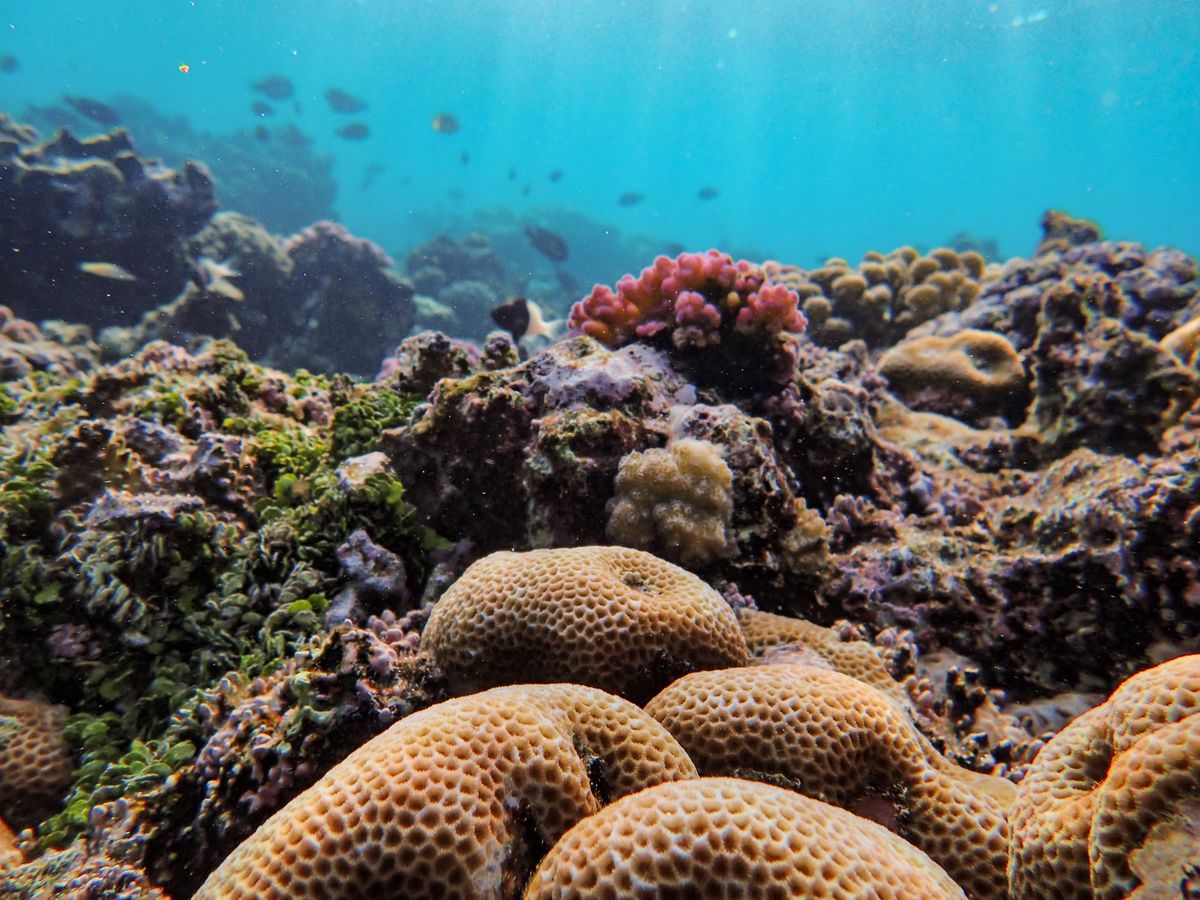
Some ingredients, especially oxybenzone and octinoxate, are linked to coral bleaching in studies. It is not the only threat to reefs, but it is one that every visitor can control.
Is “reef-safe” a guarantee?
No. The term is not regulated. Always read the ingredients rather than trusting the label.
Is mineral sunscreen better than chemical sunscreen?
For reefs, mineral sunscreen with non-nano zinc oxide is generally the better choice. Look for “non-nano” on the label.
Can I buy reef-safe sunscreen in Belize?
It can be hard to find, so bring it from home if you can.
Is spray sunscreen okay?
Sprays are harder to use well, because much of the product misses your skin and lands on the sand and water. Lotions and pastes are better.
What is the single best thing I can do?
Wear a long-sleeve swim shirt and a hat. They protect you better than any bottle and they cannot harm the reef.
See the reef the friendly way
Our Hol Chan tour is built around caring for the reef. See the tour, read what to expect on the day or message us on WhatsApp at +501 624-2862 with any questions.