
Is It Safe to Swim With Nurse Sharks and Stingrays in Belize?
“Are there sharks?” is the question we hear most before a snorkel tour. It is a fair question. Most of us grew up with films that made sharks look like monsters. Then we are told to get in the water with them on holiday.
Here is the honest answer, in plain language, so you can decide for yourself.
What kind of sharks are they?
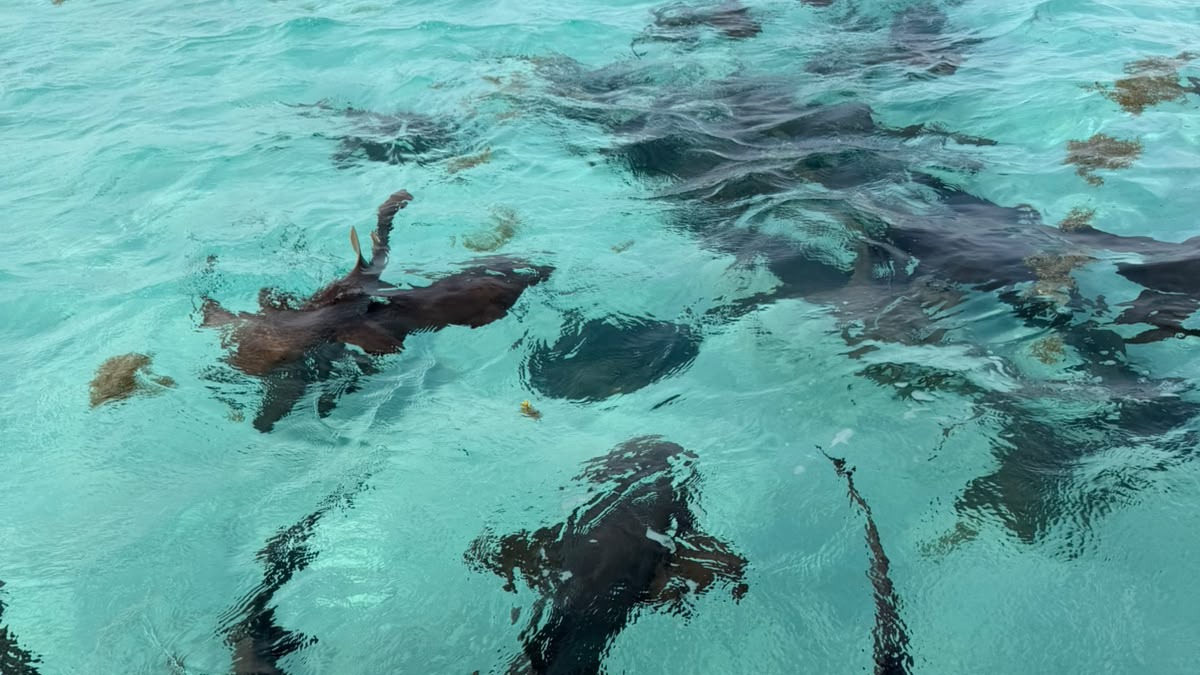
The sharks at Shark Ray Alley are nurse sharks. They are not the sharks from the movies.
- They spend most of the day resting or slowly cruising along the sandy bottom.
- They feed on small fish, crabs, shrimp and shellfish, not on people.
- They have small mouths and are built to suck up food from the sand.
- Many of the ones you meet here are adults, often well over a metre long, so they can look big to a first-time snorkeler.
Nurse sharks are one of the most relaxed sharks in the ocean. They are curious and used to boats, so they often come right up to you. That can feel scary for a second, and then it feels amazing.
And the stingrays?
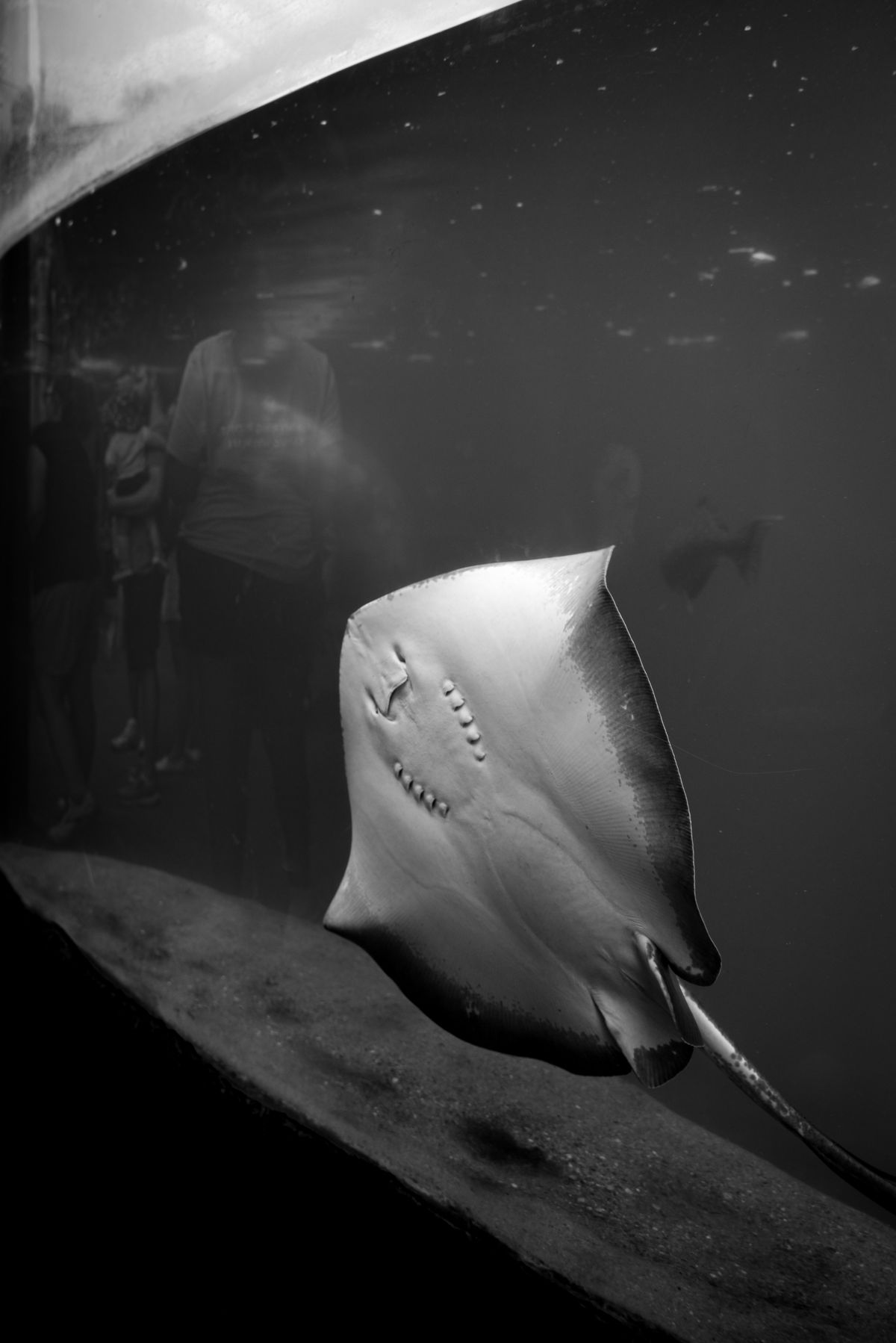
The rays you see at Shark Ray Alley are southern stingrays. They glide along the sand, flapping their wide “wings” and sometimes passing right under your belly.
Stingrays have a barbed tail, and it is real. But a stingray uses it for defence only. Rays do not attack. Injuries happen when someone steps on a ray or grabs it, and the animal protects itself.
That is why the number one rule on every tour is the same: keep your hands to yourself.
Why is Shark Ray Alley so calm?
Shark Ray Alley is a shallow, sandy area of the Hol Chan Marine Reserve, only about 8 to 12 feet deep. The water is clear and the sand is pale, so you can see everything around you, which makes the experience feel safer.
The animals here are protected and used to seeing boats and snorkelers, so they carry on with their day. They are not trapped, and they are not tamed. They are wild animals that simply live here and have learned that boats are nothing to worry about.
Safety rules that matter
If you remember nothing else, remember these.
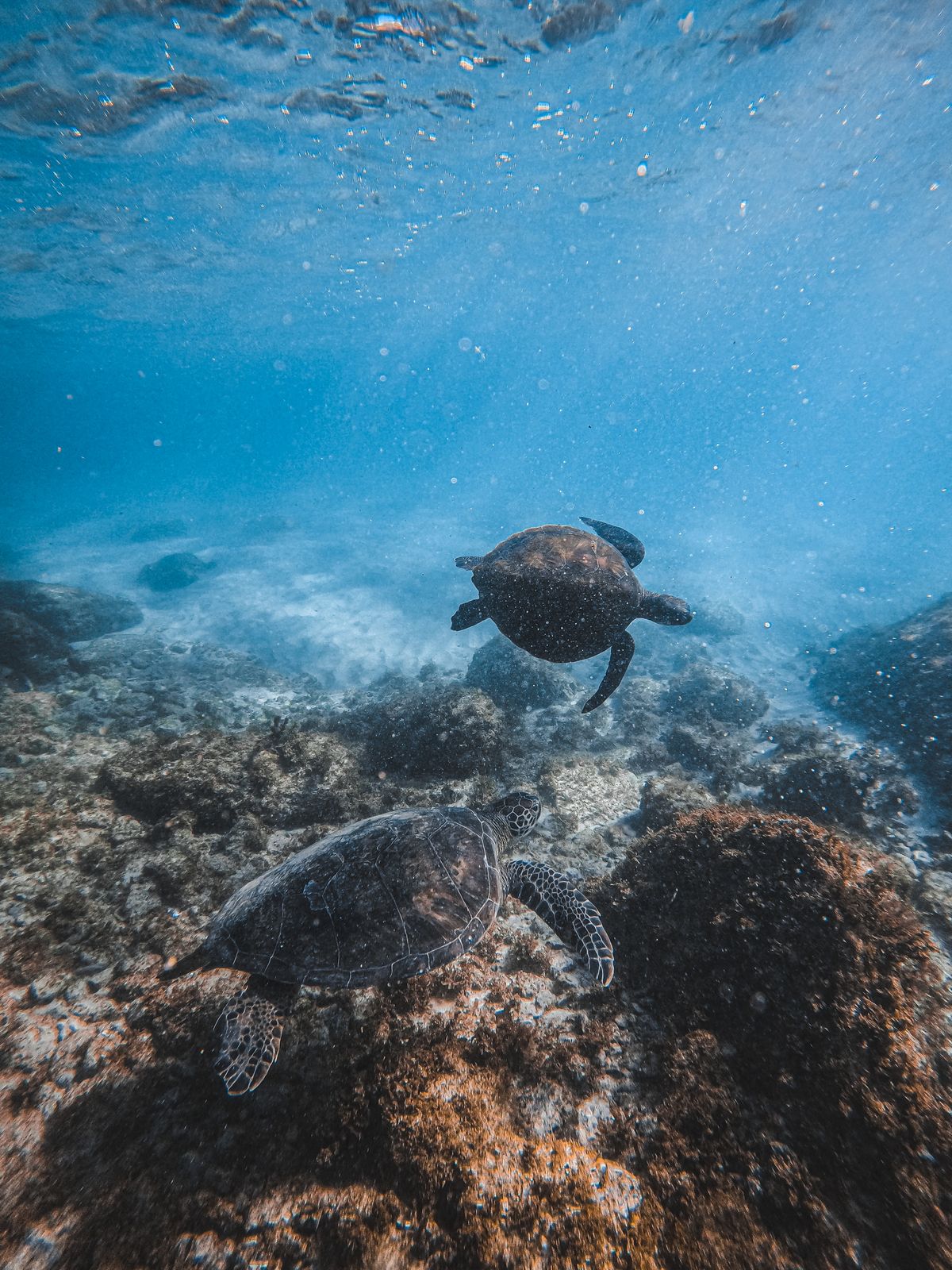
- Do not touch the animals. Not the sharks, not the rays, not the turtles. Touching stresses them and is the main way people get hurt.
- Do not chase them. Let the animals come to you. If one swims away, let it go.
- Do not feed them. Feeding changes how wild animals behave. Your guide decides what is safe, not you.
- Stay with your group and your guide. Your guide knows the area and can see things you cannot.
- Keep your body flat and relaxed. Float on the surface. Do not stand on the sand, because a ray might be hidden just beneath it.
- Remove shiny jewelry. It can catch the light and attract curious fish.
- Tell your guide if you feel anxious. You can get back on the boat any time.
Follow these seven rules and the risk is very low.
Who should think twice?
Snorkeling with nurse sharks and rays is suitable for most people, but here is who should speak to us first:
- Very nervous swimmers. A life vest keeps you floating, and you can stay close to your guide, but tell us so we can help.
- Small children. Many families do this together. Please read our guide to snorkeling with kids or if you cannot swim well.
- Anyone with a medical condition. If you have a heart or breathing condition, or you are pregnant, check with your doctor first.
Why the guide matters
A good guide makes the day safe. Choose an operator who:
- Gives a clear safety briefing before you get in the water.
- Provides life vests and well-fitting gear.
- Is licensed and insured, and has a plan for emergencies.
- Cares about the animals and the reef and tells guests not to touch.
Captain Amado Watson has been guiding for more than 37 years. His tours have been nominated by the Belize Tourism Board for Tour Operator of the Year, with emergency plans and insurance coverage as part of what sets them apart. You can read more about him in our post on Captain Amado Watson.
What does it actually feel like?
Most guests say the first minute is the scariest and the rest is the best part of the trip. You float in warm, clear water. A nurse shark drifts under you, slow and calm. A ray glides past. Your heart beats a bit fast, then slows down as you realise nothing is going to happen, and then you start to enjoy it.
One of our guests wrote in a Google review that they would call this the “only tour you should be doing on Caye Caulker”. We are biased, but we think the animals deserve a lot of the credit.
Respect the reef while you are there
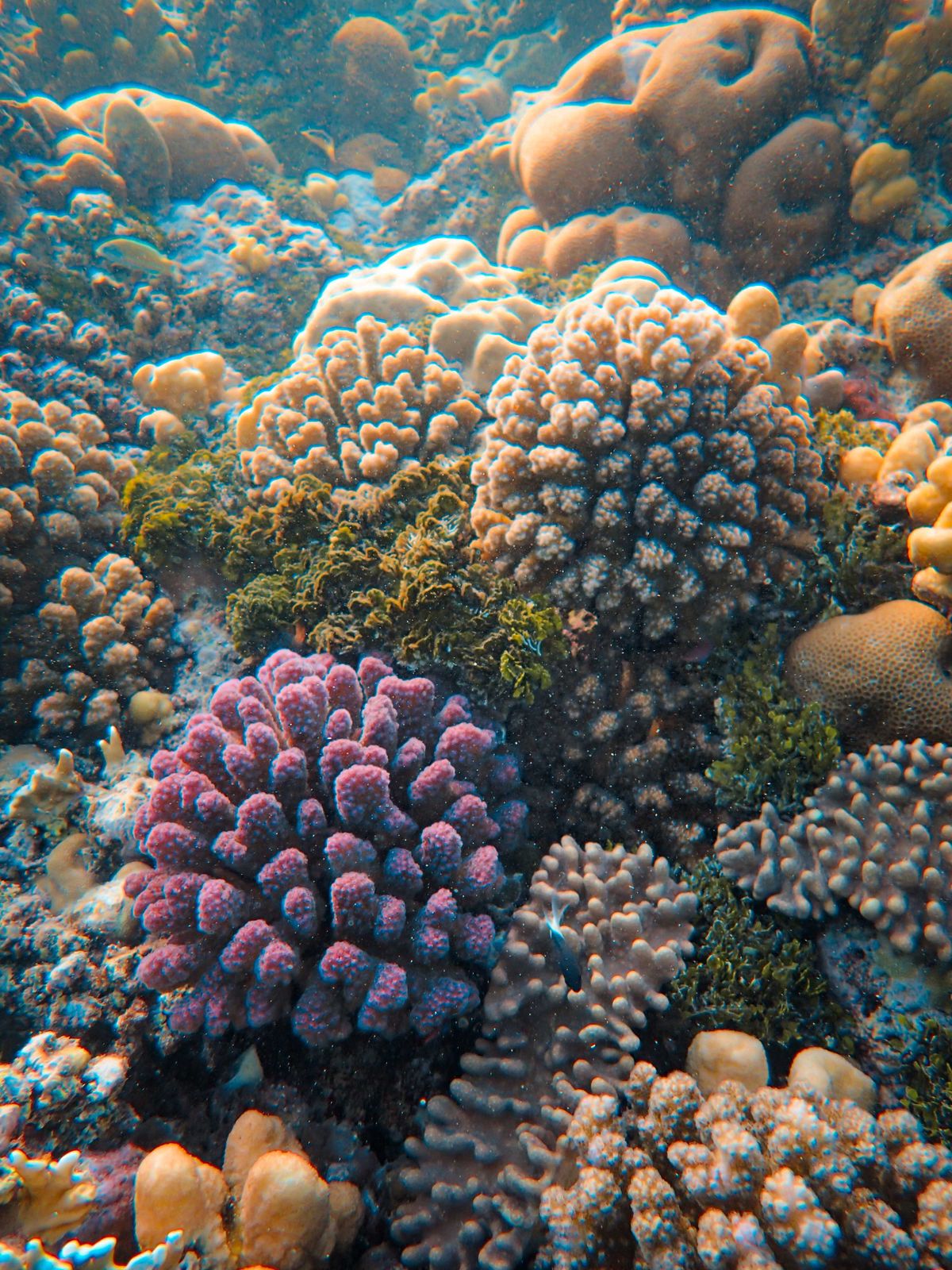
Safe for you also means safe for the animals. Shark Ray Alley is a protected area, and it stays healthy only if visitors treat it with care. Do not touch the coral or stand on it, do not take shells or souvenirs, and use sunscreen that does not harm the reef. Our guide to reef-safe sunscreen in Belize explains what to buy.
A calm way to think about the fear
Fear of sharks is built into popular culture long before most of us ever see a real one. Films show the biggest and rarest species, not the quiet bottom-dwellers that nurse sharks are. When you meet a nurse shark in clear shallow water, the picture in your head usually changes within a minute: it is resting, moving slowly and paying more attention to the sand than to you.
If you are nervous, say so. Tell your guide at check-in, stay close to the group for the first stop and take as long as you need. Shark Ray Alley is often the moment that turns a nervous first-timer into a fan.
Frequently asked questions
Are nurse sharks dangerous to humans?
Nurse sharks are among the least aggressive sharks. They are calm and slow, and they feed on small animals from the sea floor. Like any wild animal, they can defend themselves if someone grabs them, so never touch.
Can a stingray hurt me at Shark Ray Alley?
Stingrays only use their barb to protect themselves. Injuries happen when someone steps on or grabs a ray. If you float on the surface and keep your hands to yourself, the risk is very small.
Are there other kinds of sharks at Hol Chan?
Nurse sharks are the ones you will see most often. Other sharks live in the wider reef, but the snorkel areas on the tour are calm, shallow places chosen for safety.
Is it safe for children?
Many families do this tour together, with life vests and a guide. The right age depends on the child, so send us a message and we will talk it through.
What if I change my mind in the water?
Tell your guide and climb back on the boat. Nobody will mind. You can rest, dry off and try again at the next stop when you feel ready.
How do I choose a safe tour operator?
Look for a clear briefing, life vests for everyone, a licensed and insured captain and a guide who tells guests not to touch the animals. Reviews from other travelers help too.
Come and meet them
If you would like to swim with the nurse sharks and stingrays with a guide who has done it for decades, take a look at our Hol Chan tour. You can message us on WhatsApp at +501 624-2862 with any questions before you decide. We are open every day from 7 am to 7 pm.